

This website uses cookies so that we can provide you with the best user experience possible. Cookie information is stored in your browser and performs functions such as recognising you when you return to our website and helping our team to understand which sections of the website you find most interesting and useful.
They Forced Her to Undress
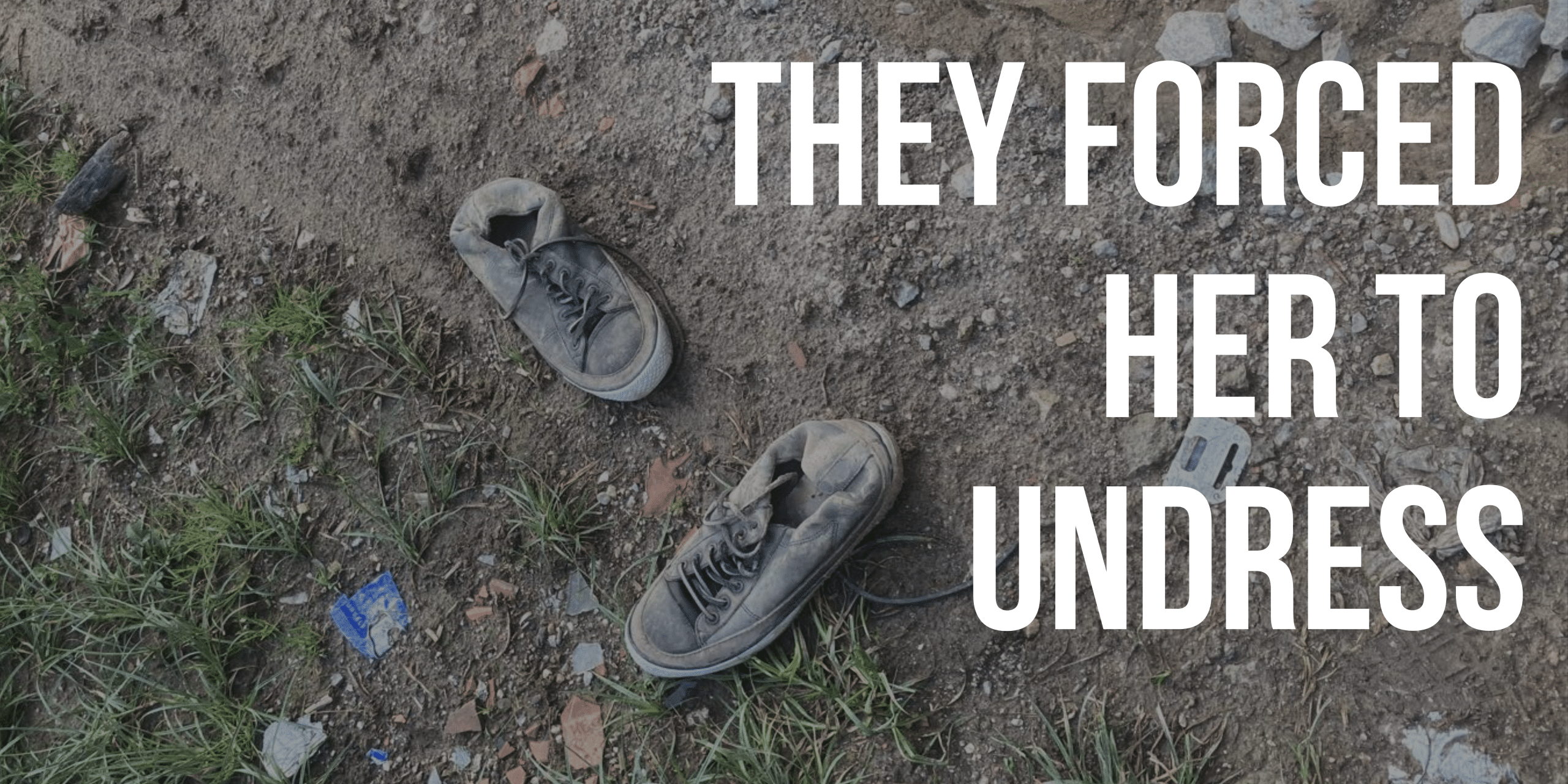
The main respondent is a 30-year-old man from Pakistan who has attempted to cross into the European Union multiple times in recent weeks. According to his account, this was his third attempt at the “game”, each ending in violent pushbacks. On this occasion, he was part of a group of ten people: nine Pakistani men and one 32-year-old woman from Nepal. The group had walked for four hours through Croatia, making their way towards Zagreb. On the night between the 27th and 28th of May, around midnight, they were waiting for taxis that were meant to pick them up and transport them further inside the country.
Area where the police caught them
The main respondent said that the group was stopped by Croatian police in a “planned operation”. There were five police cars and about fifteen officers. The police had secretly followed the taxi that dropped the group off, and after four hours of walking, they found them. Once caught, the group was subjected to a series of dehumanizing acts. According to the respondent, the officers wore dark uniforms, leaning toward forest green, and several had their faces obscured with balaclavas.Several group members were beaten and ordered to take off their clothes. He describes that the sole woman in the group was targeted in a particularly degrading manner. The main respondent said that two male officers isolated the woman and ordered her to undress completely, forcing her to stand naked in front of the entire group. The abuse continued when the officers confiscated her personal belongings, including a necklace and a ring she was wearing.
After being beaten and humiliated, the group was forced into the same cars used during the ambush and taken to the border with Bosnia and Herzegovina. There, in the middle of the night, without any legal process or explanation, they were pushed out of Croatian territory. The group had to walk back across the border, confused and hurt, forced once again to start over in a difficult and dangerous area where international laws are often not respected.
legal analysis
The sexual assault of the main respondent also constitutes a clear violation of the prohibition of torture. International human rights law, including the jurisprudence of the European Court of Human Rights (ECtHR), clearly distinguishes between lawful body searches and sexual violence: a lawful strip search must be conducted in accordance with established procedures, must be necessary, proportional, and with respect to the dignity of the person searched. The ECtHR has similarly found, in the case of Jalloh v. Germany (2006), that invasive body searches (such as the one described by the respondent in this case) constitute inhuman and degrading treatment as prohibited by Article 3 ECHR. The court established that where searching measures arouse feelings of fear, anguish, and inferiority, and cause both physical pain and mental suffering, then the measures taken by authorities only fail to meet the criteria for a legal strip search but in fact constitute a violation of the prohibition of inhuman and degrading treatment. Furthermore, in Aydin v. Turkey (1997), the court ruled that sexual violence could amount to torture in accordance with severe physical and mental suffering inflicted. This act of humiliation was not only a gross violation of her dignity but a clear instance of gendered abuse carried out under the guise of border enforcement.

overview
10 people ,
from Pakistan, Nepal,
aged between 25-32.