

This website uses cookies so that we can provide you with the best user experience possible. Cookie information is stored in your browser and performs functions such as recognising you when you return to our website and helping our team to understand which sections of the website you find most interesting and useful.
Life in the Camp with No Clarity
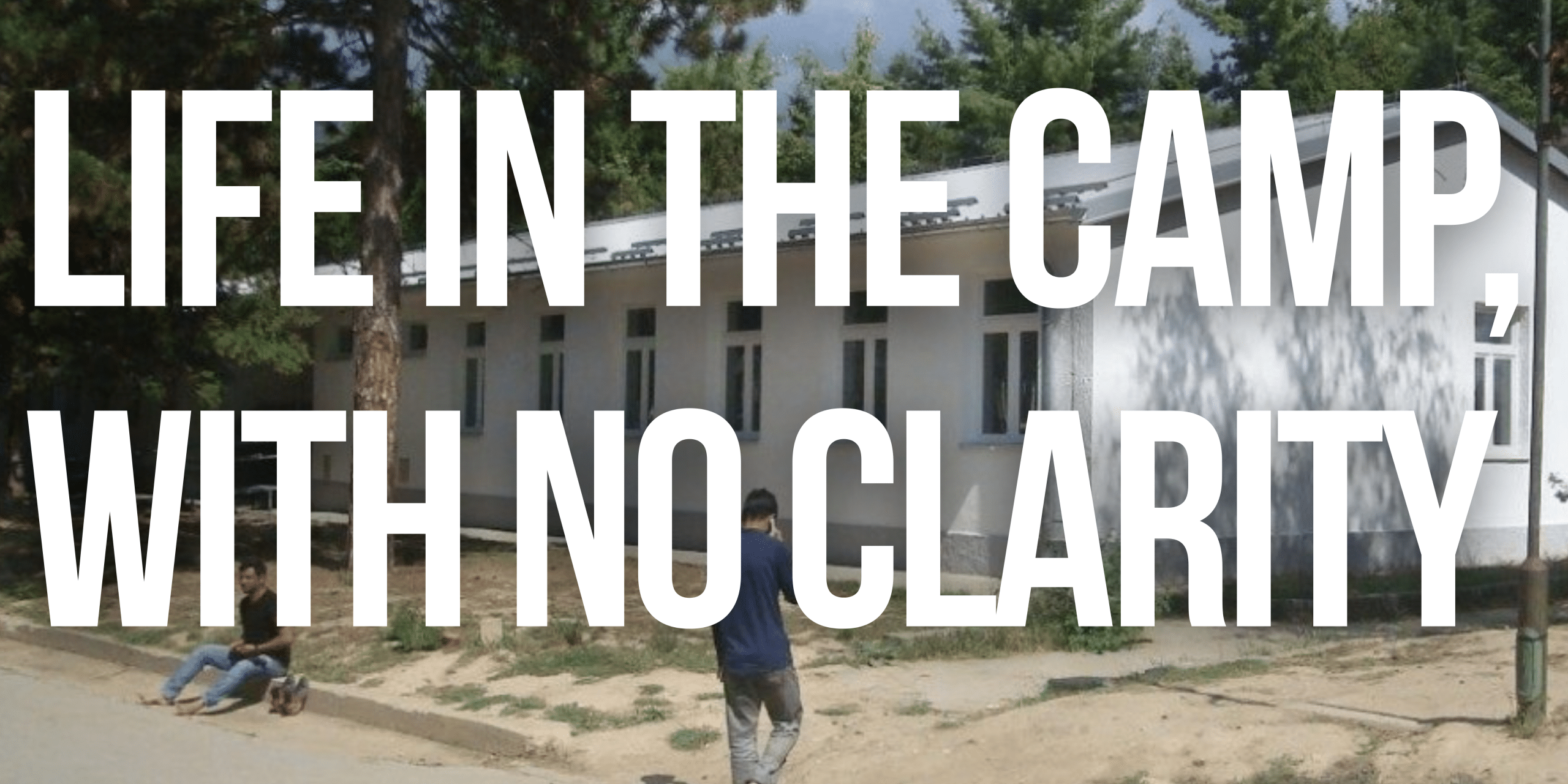
The respondent reached out to NNK from Obrenovac Camp, where he was housed at the time of interview, asking for food to cook, as rules about food within the camp recently became more strict. Specifically, residents are not allowed to ask for second portions and cannot bring food from outside of the facility.
The respondent has been living in the camp since 2023 when he arrived from China and applied for asylum in Serbia. He told us that in the first six months the situation in the facility was terrible, both people in transit and asylum seekers were living there, but they were not allowed to have contact with each other. The living conditions of the people in transit were very bad, because of the lack of resources for hygiene, and the presence of animals. Filing reports was virtually impossible because the people staying in the camp
were not aware of the different roles of the staff. Also, the information given about the legal status of the residents was insufficient. For example, they didn’t know when and if they could start to work. This led many people into black market jobs. Because of all of this, the respondent felt aimless during his first year in Serbia, and learning that 99% of asylum claims are not granted worsened his emotional state.
the asylum procedure in Serbia is outdated, as it only considers people who have been forced by their government to cure their sexuality
Obrenovac Camp
The respondent left China permanently more than two years ago. His asylum request is primarily focused on forced psychiatric treatment, during which electroconvulsive therapy (ECT), was perpetrated on him 7 times. He was hospitalized in the psychiatric hospital of Beijing for one month, where he felt like he was being detained. He was severely harmed by the medications and ECT. He had balance problems and could not keep his head straight. He still suffers from severe back pain because of the ECT treatment. Before this happened, he was active in a LGBT+ group who focused on spreading knowledge about safe sex and STDs. In China the LGBT+ community are identified as a hostile foreign force and LGBT+ activists are seen as people who threaten state security. Because of this, The respondent’s mother, who was partially aware of his work, did not approve of it.
The situation escalated into a fight after which the respodent was hospitalized. This happened in 2014 and “that’s how my story started”, he says.
Upon entering the psychiatric hospital, he was heavily anesthetized and lost
consciousness. He struggles to give detailed information about this episode to immigration authorities in Serbia as he does not know how much time he spent in this sedated state.
On regaining consciousness, he was isolated for about a week, then diagnosed with
paranoid schizophrenia. He was in the hospital for a further month, after which he was
discharged. His mother had to sign many documents about his status that she didn’t allow him to see. He was labeled as a person with limited capacity for civil conduct. Due to this, he cannot work in China and must be under the legal guardianship of his mother.
As the tension inside his family grew, his mother gave him money in order for him to leave the family home and signed the letter for abandonment. The respondent moved to another city and bought an apartment with that money. In this new city, the commisseriate didn’t know about his previous history.
The respondent left China for the UK two years later, under a same sex marriage visa, but after less than a year he ended the relationship with his partner and went back to China.
After returning to China, the respondent found out he was in a missing persons list. He was followed and harassed multiple times by the police and, as he didn’t feel safe, he decided to leave again. He flew to Bangkok, to Istanbul, then to Belgrade.
Since then, he has been living in Obrenovac camp. He is the resident who has been there the longest. He currently lives in a room with 28 bunkbeds, but only three other people live there. The number of residents in the camp has been diminishing over the last two years.
Being in the camp under its current situations is deteriorating the residents’ mental health situation severely. The respondent tells us stories about people suffering from paranoia. Others are being treated for depression or schizophrenia. He thinks
the poor mental health of the residents is related to the life conditions in the camp.
Even if the respondent tells us he feels more comfortable and safe with his identity now, he still thinks that the asylum procedure in Serbia is outdated, as it only considers people who have been forced by their government to “convert” their sexuality, eligible for asylum. Without consideration for the harms and abuses faced by people in cases similar to his. He is therefore stuck with an asylum procedure that he isn’t sure will be granted.

overview
1 people ,
from China,
aged 33.